
Insights
The Philippines has become the call-center capital of the world
By VISAYA Insights Team · February 7, 2025 · 3 min read
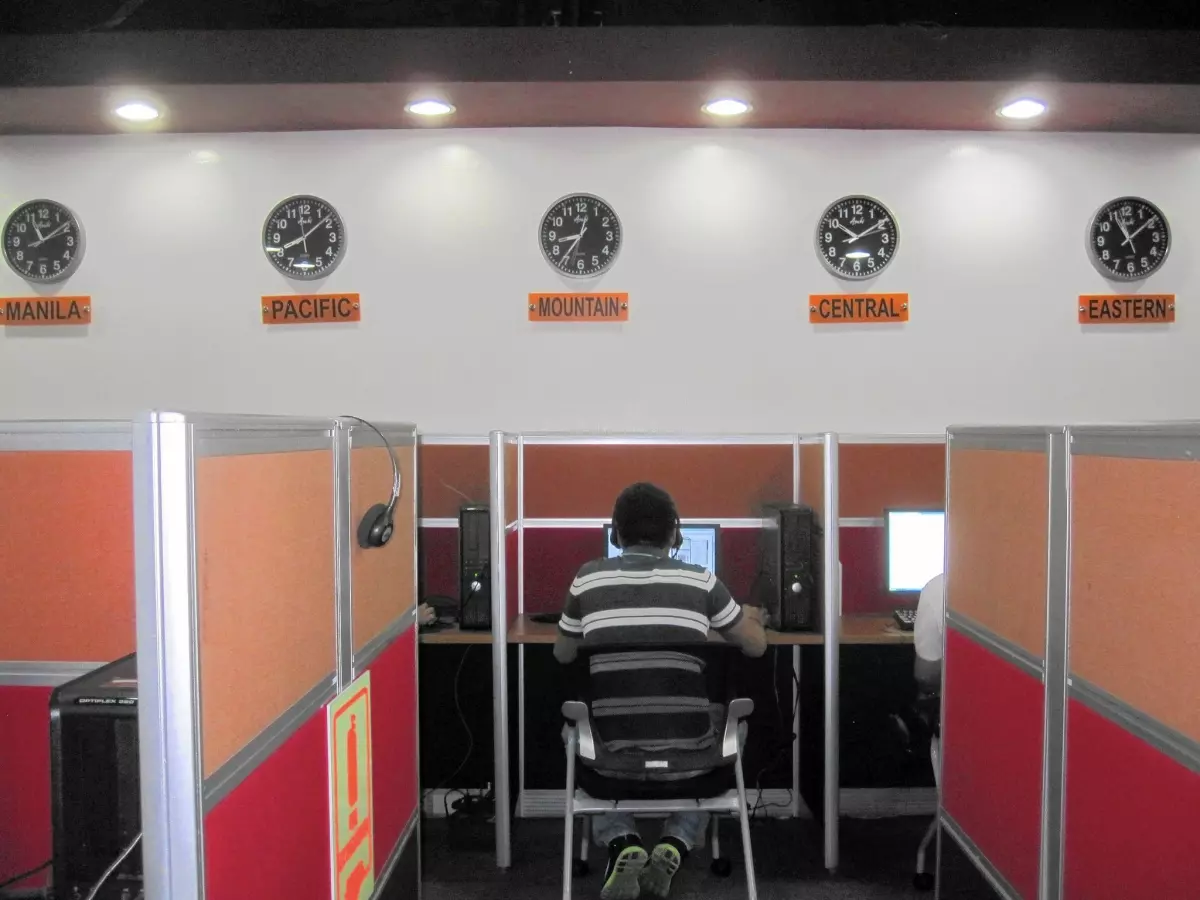
Ever since Joahnna Horca lost her father, a doctor, in a South China Sea typhoon, her large family has struggled to make ends meet.
So after Horca earned a college degree in social work, an older sister nudged her to help support the family by taking a better-paying job — at a call center.
That was eight years ago, when the outsourcing industry was just taking off in the Philippines. Today, it’s the job of choice for many young people here. More than 1 million Filipinos now work at call centers and in related outsourcing businesses, mostly serving American companies.
The combination of cheap labor and specialized skills has made the Filipino workforce invaluable to a growing list of U.S. companies, which use them to field customer complaints, generate sales leads, code data, format documents and read medical scans and legal briefs.
Horca, 30, eventually got her social-worker license, but she could never tear herself away from the call-center job for a U.S. banking company. It’s draining work. She handles as many as 100 calls a day from angry Americans, often working the graveyard shift.
But she makes about $700 a month, more than many general physicians earn in the Philippines, let alone social workers.
The industry in the Philippines has grown so fast that it has overtaken India as the call-center capital of the world. India still rules the information technology outsourcing realm, but an army of Filipino college graduates like Horca now dominates most every other kind of task known as business process outsourcing, or BPO.
By next year, experts estimate that the country’s BPO industry will generate $25 billion in revenue, accounting for about 10% of the Philippines’ economy and as much as the total amount expected to be sent home by the 11 million Filipino nurses, sailors, musicians and others working overseas.
The English spoken by Filipinos is closer to Americans’ than in India. “Our culture is very similar,” said Fred Chua, a lifelong Manila resident who runs a call center. A cousin in San Francisco drums up business for the company, Magellan Solutions. “We don’t yell on the phone often. We’re very customer-centric,” Chua said.
That helps explain why the country has become America’s top overseas site for voice-related work in business outsourcing.
Corporations such as Citibank, Safeway, Chevron and Aetna all have BPO operations here, as do smaller companies ranging from a Georgia medical collection agency to a New York spa operator that outsources its customer appointments.
The outsourcing boom has helped propel the country’s economy, once a laggard of Asia, into one of the region’s fastest-growing. The industry has spawned bustling business districts in Manila, with skyscrapers, 24-hour buffets and condos that sell for $500,000.
For most of the last four decades, while East Asian tiger economies were roaring ahead, the Philippines wallowed amid rampant corruption, lousy roads and sluggish investments.
But after 25 years of slow and painful reforms, the country is on track to achieve annual growth rates of 7% to 10% over the next 10 years, according to Bernardo Vilegas, a Harvard-trained Filipino economist. The economy expanded 7.2% in 2013 and slowed to a little more than 6% last year, compared with China’s 7.4% last year.
Want to put these ideas to work?
Let's explore how AI can drive intelligence in every outcome for your business.



