
Insights
The Pros and Cons of Telehealth Services
By VISAYA Insights Team · June 27, 2024 · 3 min read
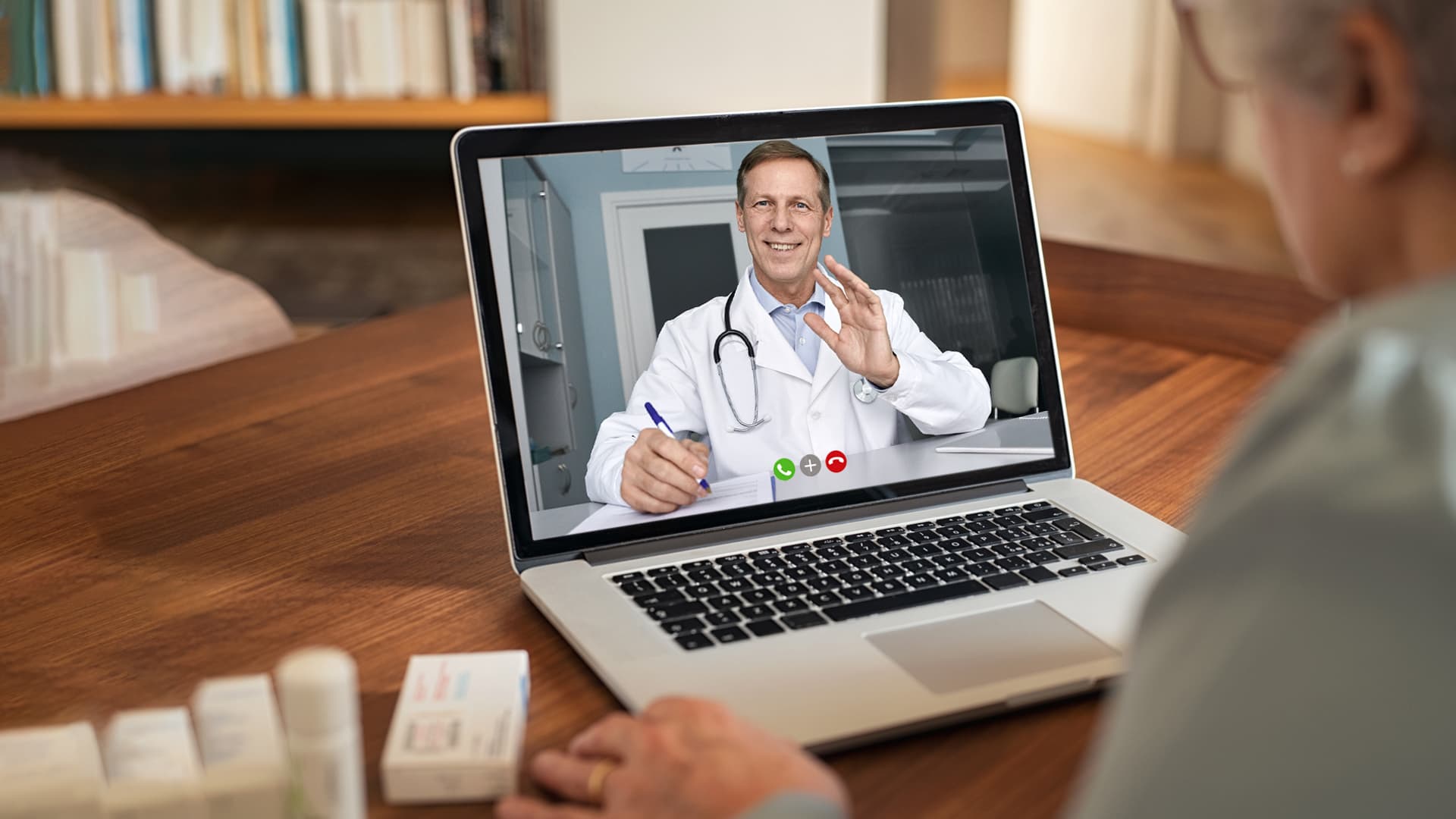
In recent years, the healthcare landscape has seen a paradigm shift with the advent of Telehealth services, offering a blend of convenience and essential medical care from a distance. As we delve into the pros and cons of telemedicine, it’s evident that this innovative mode of healthcare delivery comes with a mixed bag of advantages and disadvantages of telehealth.
On one hand, telemedicine promises unparalleled accessibility to medical services, bridging geographical divides and making healthcare more inclusive. On the other hand, it also brings forth challenges, including technological barriers and potential limitations in the quality of care.
This article aims to provide a balanced perspective on the pros and cons to telehealth services, illuminating how it’s reshaping the way individuals receive medical attention and the implications it holds for the broader healthcare ecosystem.
Originating as a solution to deliver medical care to remote and under-served regions, telehealth has transformed into a multifaceted tool that caters to a broad spectrum of medical needs. The dawn of high-speed internet and sophisticated mobile devices has not only bolstered the capabilities of telehealth but also significantly enhanced the user experience, making virtual consultations, real-time monitoring, and digital access to healthcare records a reality.
Over the years, the advances in telemedicine have transcended beyond mere virtual interactions to encompass a wide range of services including remote patient monitoring, mHealth applications, and even telesurgery in some advanced settings. Additionally, telehealth has played a pivotal role during crises, most notably the COVID-19 pandemic, where it emerged as a linchpin for ensuring uninterrupted medical care amidst strict lockdowns and social distancing mandates.
Telehealth offers a wide array of benefits to both patients and healthcare providers. Here are some of the prominent pros of telehealth:
Telehealth diminishes geographical barriers, providing medical services to individuals in remote or underserved areas. It’s a lifeline for those who otherwise would have limited or no access to crucial healthcare services. It also provides the convenience of consulting with healthcare professionals from the comfort of home, saving time and avoiding travel.
Patients no longer need to spend on transportation, take time off work, or incur other associated costs that come with visiting a healthcare facility. Healthcare providers can also witness a reduction in overhead costs. With fewer patients coming into the physical facilities, there is less wear and tear on equipment, reduced utility expenses, and potentially even a decreased need for large office spaces or multiple physical locations.
Telehealth platforms facilitate the constant tracking of vital signs and medication adherence, eliminating frequent in-person check-ups. By offering real-time data on a patient’s health, they empower healthcare providers to swiftly adapt treatment strategies. This not only spares patients from regular clinic visits but also guarantees meticulous and ongoing health supervision.
Telehealth allows patients with concerning symptoms to immediately contact a healthcare professional, bypassing wait times and transportation delays. This swift connection aids not just in emergencies but also in early disease detection and management. Early diagnosis often results in improved health outcomes and fewer complications.
Digital access to medical information, records, and tools empowers patients to make informed decisions and closely follow medical guidance. This heightened engagement instills a sense of ownership and accountability in patients, leading to improved treatment compliance. Additionally, easy digital communication allows patients to clarify concerns, deepen their understanding of their health conditions, and get timely feedback, enriching their overall healthcare experience.
While telehealth has brought numerous advantages to the healthcare landscape, it also comes with its set of challenges and disadvantages:
Many elderly individuals, due to their upbringing in a pre-digital era, may lack both the equipment and the familiarity to use telehealth platforms effectively. Similarly, economically disadvantaged groups often face barriers due to the inability to afford modern devices or maintain a consistent internet connection, impeding their access to telehealth services.
Some medical conditions require hands-on physical examinations for accurate diagnosis, which telehealth cannot replicate. Moreover, in-person consultations are crucial in nurturing the bond between patients and providers, influencing trust, comfort, and patient satisfaction.
Want to put these ideas to work?
Let's explore how AI can drive intelligence in every outcome for your business.



