
Insights
Key Differences Between Telehealth vs Telemedicine
By VISAYA Insights Team · June 24, 2025 · 2 min read
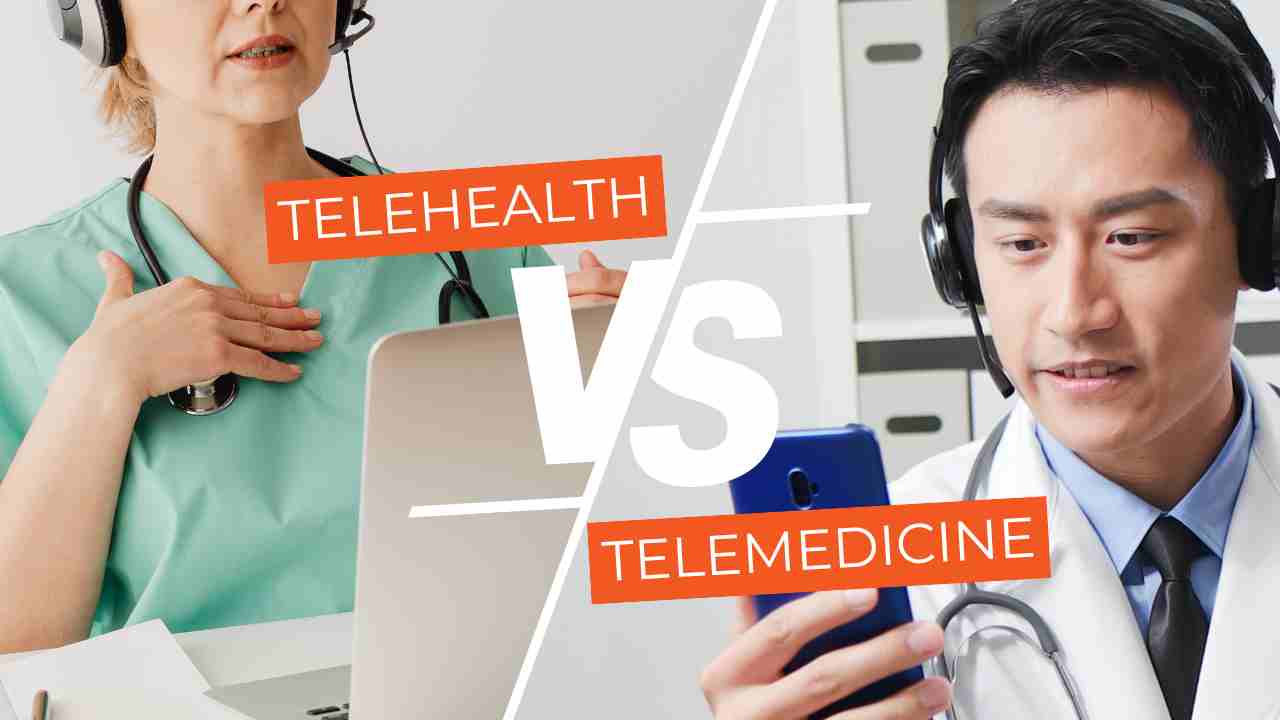
These days, healthcare isn’t just something you get at a hospital or doctor’s office. It has moved into the digital world. You’ve probably heard the terms telehealth and telemedicine being mentioned, especially when talking about online healthcare.
Although they sound similar, they actually mean different things.Let’s break down the differences between telehealth and telemedicine in a simple way to make it clear.
Telehealth is the use of technology to deliver a wide range of healthcare services remotely, including both clinical and non-clinical activities. This can include everything from virtual consultations and remote patient monitoring to health education and administrative tasks.
For example, think of situations where a healthcare provider educates a group about diabetes through an online webinar. That’s telehealth. Or imagine a nurse monitoring a patient’s vitals from afar using special devices. That’s telehealth, too.
Telehealth aims to make the healthcare industry accessible, especially for people in remote or underserved areas. It’s like bringing healthcare to your doorstep—virtually.
As healthcare continues to embrace digital solutions, the global telemedicine market is estimated to reach a size of US$ 17.83 billion in 2024.
This growth underscores how telehealth is reshaping the healthcare landscape by improving accessibility and efficiency for patients and providers alike.
To give you a clearer picture, here are a few common telehealth services:
While telehealth is a big umbrella term, telemedicine is a smaller, more specific part of it.
Telemedicine refers to the use of technology to provide clinical healthcare services remotely, allowing patients and doctors to connect without being in the same physical location. This includes virtual consultations, remote diagnoses, and managing chronic conditions.
The popularity of telemedicine has grown significantly in recent years. Statistics show that over 116 million people worldwide used online doctor consultations in 2024, compared to just 57 million in 2019.
With its convenience and accessibility, the number of telemedicine users is expected to continue rising in the coming years, revolutionizing how healthcare is delivered.
Telemedicine is everywhere these days. Some examples include:
Here’s where the distinction becomes clearer. While telehealth includes telemedicine, it also covers much more.
Want to put these ideas to work?
Let's explore how AI can drive intelligence in every outcome for your business.



